Back in August, we wrote about how this year’s severe dry spell forced many trees across Lincolnshire into a "false autumn", dropping their leaves early just to survive. Drought stress acts like a weakened immune system, leaving trees far more vulnerable to secondary issues like fungal decay, structural dieback, and root weakness months down the line.
Now that late autumn is here and the canopies are becoming bare, it’s easy to assume trees are safely tucked away until spring. In reality, late autumn and winter are the single best times of year to assess a tree's true structural integrity.
Summer vs. Winter: Why Seasonal Inspections Work Together
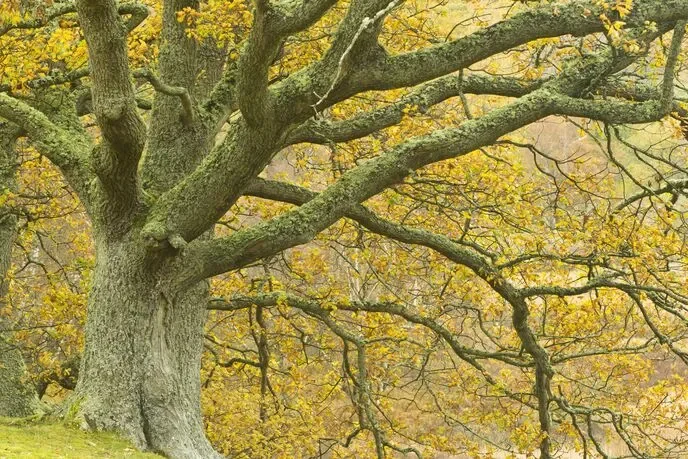
A common question we get from clients is why we sometimes recommend inspecting a site at two different times of the year. The simple answer is that summer and winter reveal completely different things:
What Summer Shows Us (Physiological Health): When a tree is in full leaf, we can assess its vitality, spotting early crown thinning, discoloured or undersized leaves, and early-stage diseases like Ash Dieback before branches become brittle.
What Winter Shows Us (Structural Integrity): Once the canopy is bare, nothing is hidden by summer leaves. Our surveyors get a clear, top-to-bottom view of the tree’s structure, making it far easier to spot:
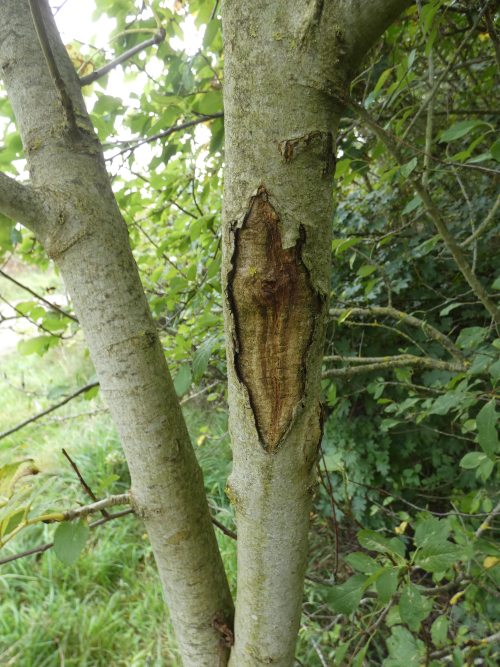
Hidden Structural Defects: Tight V-shaped unions, weak branch attachments, cavities, and historic splits or cracks high in the crown that are completely invisible in summer.
Deadwood & Storm Hazards: Hanging limbs and structural weaknesses that pose a risk when winter gales roll across Lincolnshire.
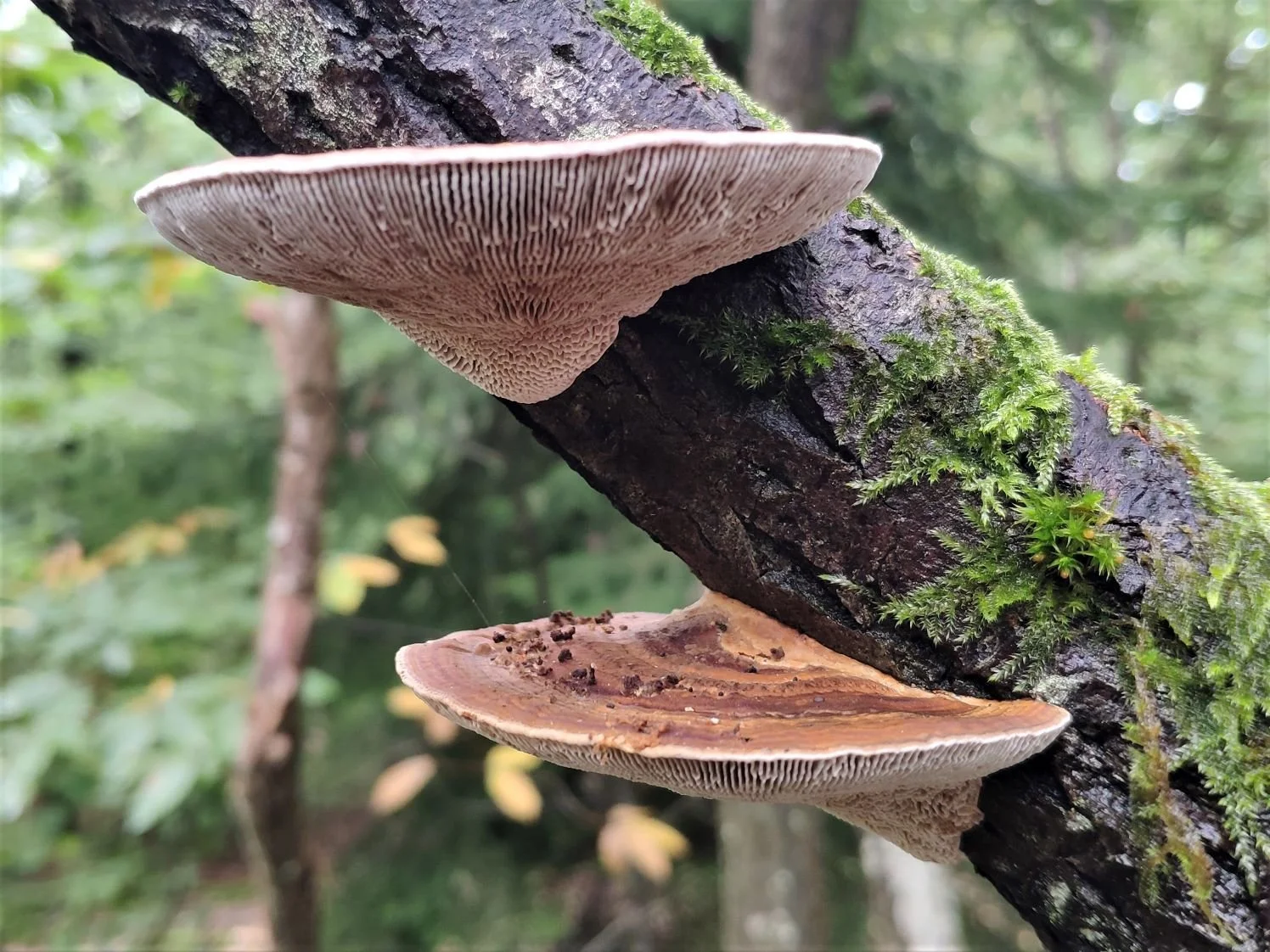
Fungal Brackets & Root Stress: Late autumn and winter make it much easier to inspect the base of the trunk and root flare for woody fungal brackets and basal decay, often the clearest warning sign of internal wood decay or drought-damaged roots.
Advice You Can Bank On
Whether you manage a commercial site, housing association land, a school, or a private estate, you have a legal Duty of Care to ensure your trees don’t pose a foreseeable hazard.
As an ARB Approved Contractor and TrustMark-accredited firm with over 15 years of experience, our commitment is always to honest, evidence-based advice. We only recommend work that is genuinely necessary, and our range of surveys provides a clear, auditable management plan recognised by insurers, local authorities, and auditors.
Planning Ahead Before Spring
Inspecting trees during dormancy also gives landowners a clear head start, allowing any essential remedial works to be planned and scheduled well ahead of the spring bird nesting season in March.
Need a professional eye on your trees?
Call our team on 01507 649450 or email office@fincharb.co.uk to discuss your site's survey schedule.