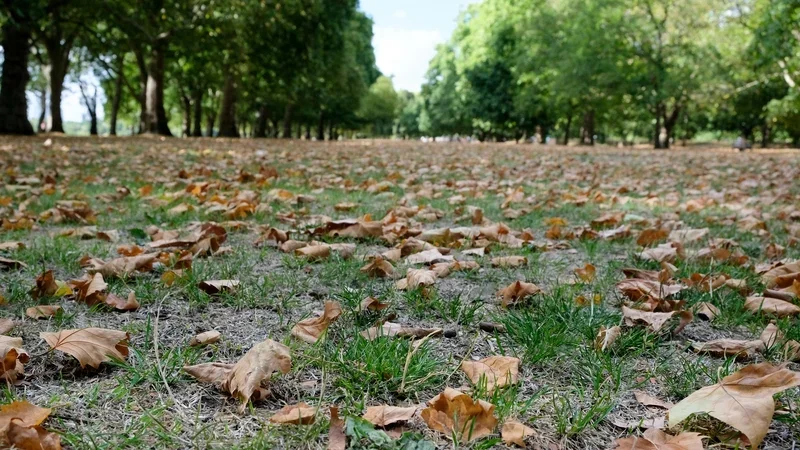
If you’ve taken a walk through Lincolnshire recently, you’ve likely noticed crispy, brown leaves falling early and trees looking surprisingly bare.
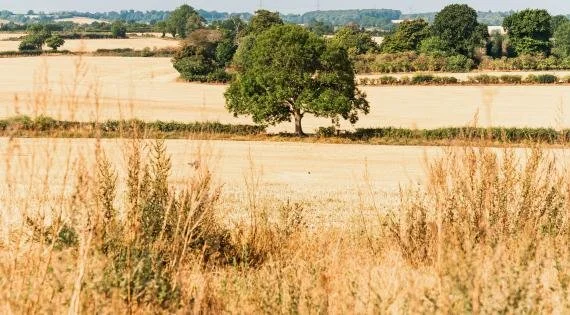
While it looks like October has arrived in August, what we are actually seeing is "False Autumn"—a direct survival response to the severe dry spell. To save water and protect their core trunks and roots, trees sacrifice their leaves early to stop moisture escaping through the canopy.
It’s a clever self-defense mechanism, but it means our local trees are under serious stress.
Ways to Help During a Hosepipe Ban
With hosepipe restrictions in place, keeping trees hydrated requires a bit of resourcefulness.
Catch Warm-Up Water: Collect fresh water in a bucket while waiting for the shower or tap to run warm, or when rinsing vegetables.
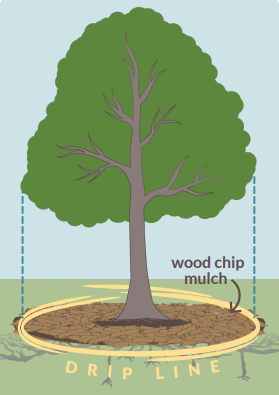
Pour Slowly at the Drip Line: Baked soil repels fast water. Pour buckets slowly around the drip line (under the outer edge of the canopy) where feeder roots live, not against the trunk.
Apply a Mulch Blanket: Spread 5–10cm of woodchips or organic mulch to cool soil and trap moisture. Leave a 2-inch gap around the trunk base to prevent bark rot.
Long-Term Health: What to Watch Out For
The good news? Healthy, mature trees are remarkably resilient. Most trees shedding leaves now are simply resting and will bounce back with fresh growth next spring once normal rainfall returns.
However, drought stress acts like a weakened immune system. It leaves trees far more vulnerable to secondary issues, such as fungal decay, pest infestations, and structural branch dieback—that might not show up until months down the line.
Keeping a close eye on your trees as the weather shifts is essential to catching potential risks early.
Need further advice?
Call our team today on 01507 649450 or email office@fincharb.co.uk to book a consultation.